Energy Saving
Daylighting vs LED Lighting: Which Saves More Energy & Cost?
For factories, warehouses and commercial buildings, lighting decisions affect electricity bills, cooling load, worker comfort and long-term maintenance.
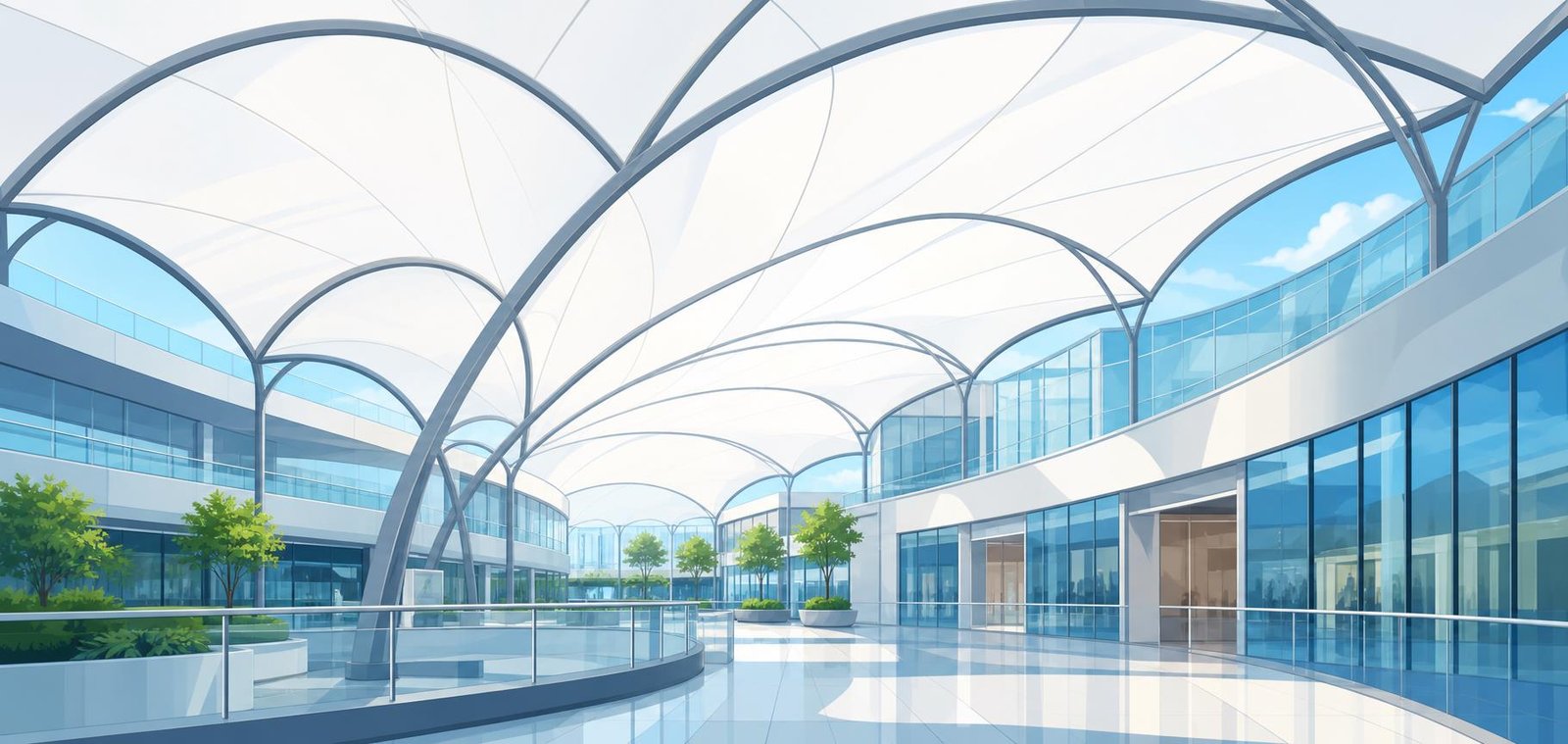
Why this comparison matters
LED lighting is efficient compared to older lamps, but it still uses electricity every hour it runs. Daylighting systems use natural sunlight during daytime and can reduce artificial lighting demand across large floor areas.
For Indian buildings with long sunshine hours, daylighting can be a strong long-term investment when roof design, heat control and light distribution are planned correctly.
Daylighting vs LED lighting
Where daylighting performs well
Daylighting is most useful in buildings that operate during the day, such as warehouses, manufacturing floors, logistics parks, schools, hospitals and retail spaces. It can reduce dependence on artificial lights and improve the quality of indoor light.
- Large roof areas with access to sunlight
- Spaces where lights stay on for 6-10 hours daily
- Industrial buildings with high operating cost pressure
- Projects targeting green building benefits
Where LEDs are still important
LEDs remain useful for night shifts, emergency lighting, basements and areas where daylight cannot reach. In many projects, the strongest solution is a hybrid approach: daylight during the day and efficient LEDs only when required.
What should a building owner choose?
If the building operates mostly in daytime and has roof access, daylighting should be studied first. If the building runs at night or has enclosed zones, LEDs should be integrated as a support system. The right answer depends on usage hours, roof type, heat gain control and installation budget.
Talk To Our Team